The art of walking alone, Together
SHARE


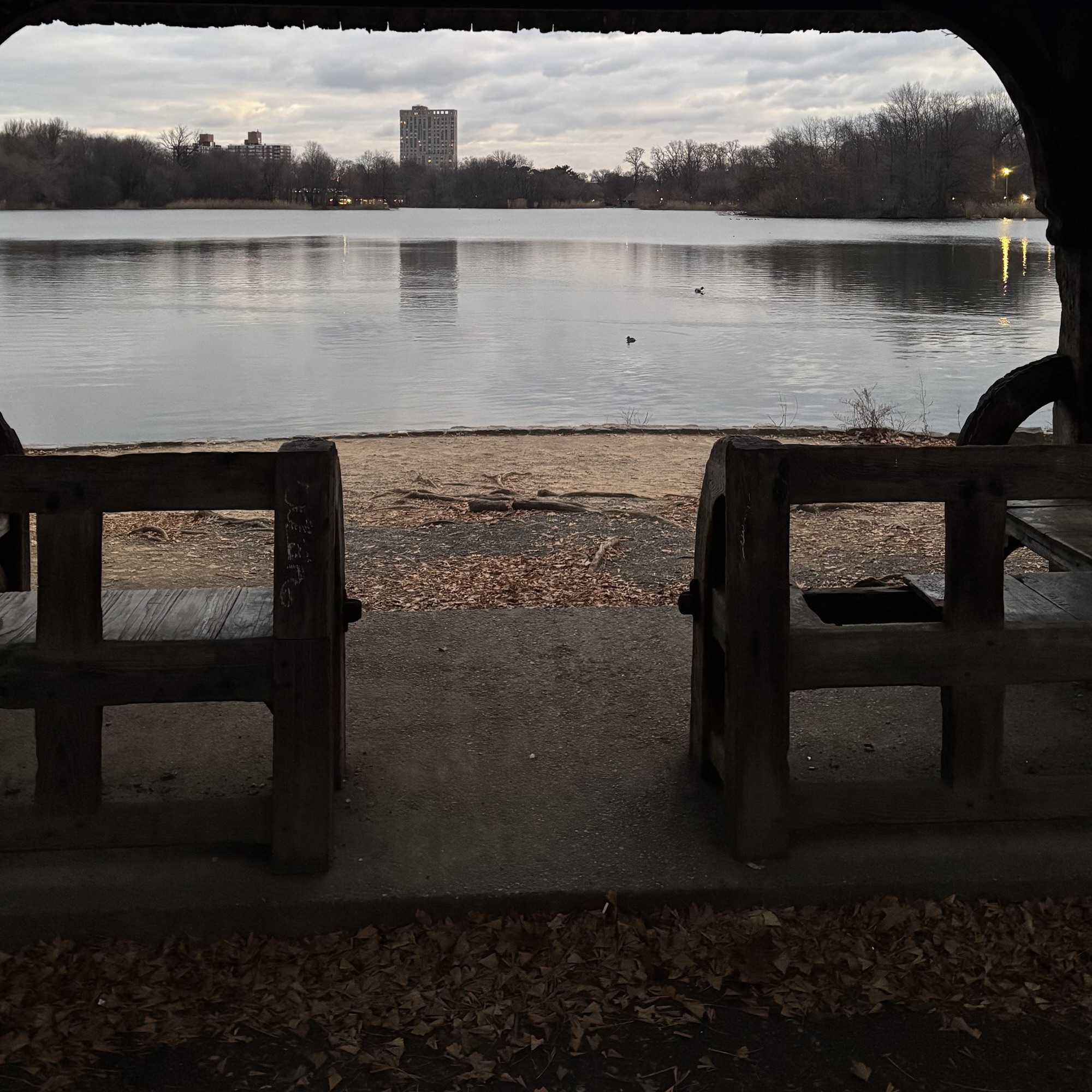
Reading through Miyamoto Musashi, Dokkodo – the art of walking alone, I imagined how an intergenerational conversation about the principles will pan out. At the back of my mind is the Friendship Bench which reclaims and accounts for the role grandmothers play in the community.
My grandmother never read either of these books. She was literate with her love and wisdom passed on to her by her mother and aunts who showered her with love and belief that she would be great. She was in many respect great to me, my siblings and my cousins. It is my recollection.
I could not have wondered what she would have made of Mushahi. I only came to know his precepts recently, long after she was a memory. The precepts became familiar to me recently. And I do not want to reduce her experience to the twenty one precepts. The discipline underneath the words she carried, taught not in a dojo but on a bench, under a tree, in the unhurried hours after the choir practice. So I borrow from Dixon Chibanda and imagined us there, in Marcory, a suburb of the city I grew up in.
Set beneath the shade of a mango tree on a quiet wooden bench, as a young African adult sitting beside her, ma mémé (grandmother) was a beautiful woman whose wrinkles spoke of the dual challenges of love and hardship. As I was preparing to transition to a new African city to build a career, expand my network, and serve the continent, she felt the weight of anxiety and heavy thoughts (kufungisisa) before I had said a word. As I approached her, she smiled. I must have looked like a child, still carrying those heavy thoughts like precious water from the well.
Together, in communion, we moved through the 21 principles of life and strategy, blending the disciplined mindset of the warrior with the healing, empathetic wisdom of the Friendship Bench.
Grandchild: Mémé, I leave tomorrow. Another new city, another place where I know no one. I want to build a real network and serve our people, but my mind is racing. I feel isolated before I even arrive.
Grandmother: Sit with me first, my child. What you are feeling is kufungisisa. In Harare, where you are going, it translates to you are thinking too much. Before we build networks across borders, we must first learn to open our mind or Kuvhura Pfungwa. Listen closely as I heard whispers from the East, that wisdom can carry you. So, when you step into that new city, do not rebel against the paths of this world. Accept the rhythm of the place as it is, not as you wish it to be.
Grandchild: It feels tempting to seek comfort when everything around me is unfamiliar.
Grandmother: That is a trap. Do not seek out physical pleasure as a distraction from loneliness. Do not trust quick promises or unearned alliances until you can understand and test it. Ground yourself on a bench like this before you rush into the crowd.
Grandchild: But how do I build a network of people who actually care about the continent’s growth?
Grandmother: You begin by lowering your ego. Give less importance to yourself and more to the world. People do not follow those who look down on them; they trust those who sit with them as equals. Avoid thinking in a covetous way about the influence or platforms others hold. Focus entirely on what you bring to the bench.
Grandchild: What if I make mistakes? What if I fail in this new city?
Grandmother: If a project collapses or a contact turns away, do not reproach yourself for your past actions, do not sit in judgement of who was right and who was wrong in what passed. And do not mourn what is already gone. Mourning it twice does not bring it back. Guilt and regret are heavy luggage. Drop them. Kusimudzira reminds us that we must uplift our spirit so we can move forward.
Grandchild: The bureaucracy and hurdles in our institutions can be frustrating, Mémé. It will make me bitter.
Grandmother: Do not feel bitterness towards yourself or others when doors close temporarily. Bitterness poisons the well you drink from. And do not let your spirit be carried away by romantic passions or temporary illusions of success that distract you from your ultimate mission.
Grandchild: How do I keep myself grounded day to day?
Grandmother: By practicing quiet discipline. Do not be guided by your preferences; adapt smoothly to whatever local customs welcome you. Do not desire to possess a luxurious house, and do not seek pleasure from food. Treat comfort as a temporary visitor, not your master. True wealth is not in luxury. Do not possess valuable relics to leave in an inheritance. Leave behind empowered young people, strong institutions, and communities that can support one another. Circle to Kubatana Tose, meaning holding hands together, that is your true inheritance.
Grandchild: I understand. I must protect my mind and my body to stay useful.
Grandmother: Exactly. Do not do things that may physically harm you; it makes no sense to do so. Your health is the engine of your service. And when you step into the corporate boardrooms or community spaces, do not seek out sophistication in your weapons as a warrior. You do not need complex jargon or expensive tools to create change. The simplest tool, a safe space under a tree, a listening ear, and clear problem-solving, are often the most powerful.
Grandchild: Sometimes the scale of the challenge on our continent terrifies me. What if the path demands too much?
Grandmother: Do not fear the death that may meet you on the path whether that means failure, fatigue, or starting over. Do not work with the intention of possessing riches in old age. Riches disappear; service to Africa endures. Respect the God — Onyame, Onyankopɔn, or Odomankoma — and the Buddhas; do not rely on them. Pray for wisdom, yes, but put your own feet on the ground and do the work daily. Faith it until you make it.
Grandchild: It sounds like a long, hard journey.
Grandmother: It is, but you do not walk it without principles. Kusimbisa: now we strengthen you. Even on the brink of death, never abandon your honor. Keep your integrity unshakeable, no matter how tempting a shortcut seems. And lastly, never stray from the path of the art of war. Treat your movement across this continent not as random wandering, but as a deliberate strategy of love, empathy, and service.
Grandchild: Open the mind, uplift the spirit, strengthen the resolve. I am ready, Mémé.
Grandmother: Go well, my grandchild. And remember: wherever you go, carry a bench with you for someone else to sit on.
If I were to sit with my Mémé on the eve of my departure to Zimbabwe in 1998, I would have loved to have had this conversation. 28 years later, it rings as true as it may have if I have had the privilege of sitting with her on that bench under the mango tree. It is never too late to pass it on.
The blessing was that she did not have to read to know the universality of the truths. Mémé’s literacy was built on lived endurance, sharp love, and the sacred obligation to prepare her descendants for a world she might never see, yet prepared for.
Back To All